

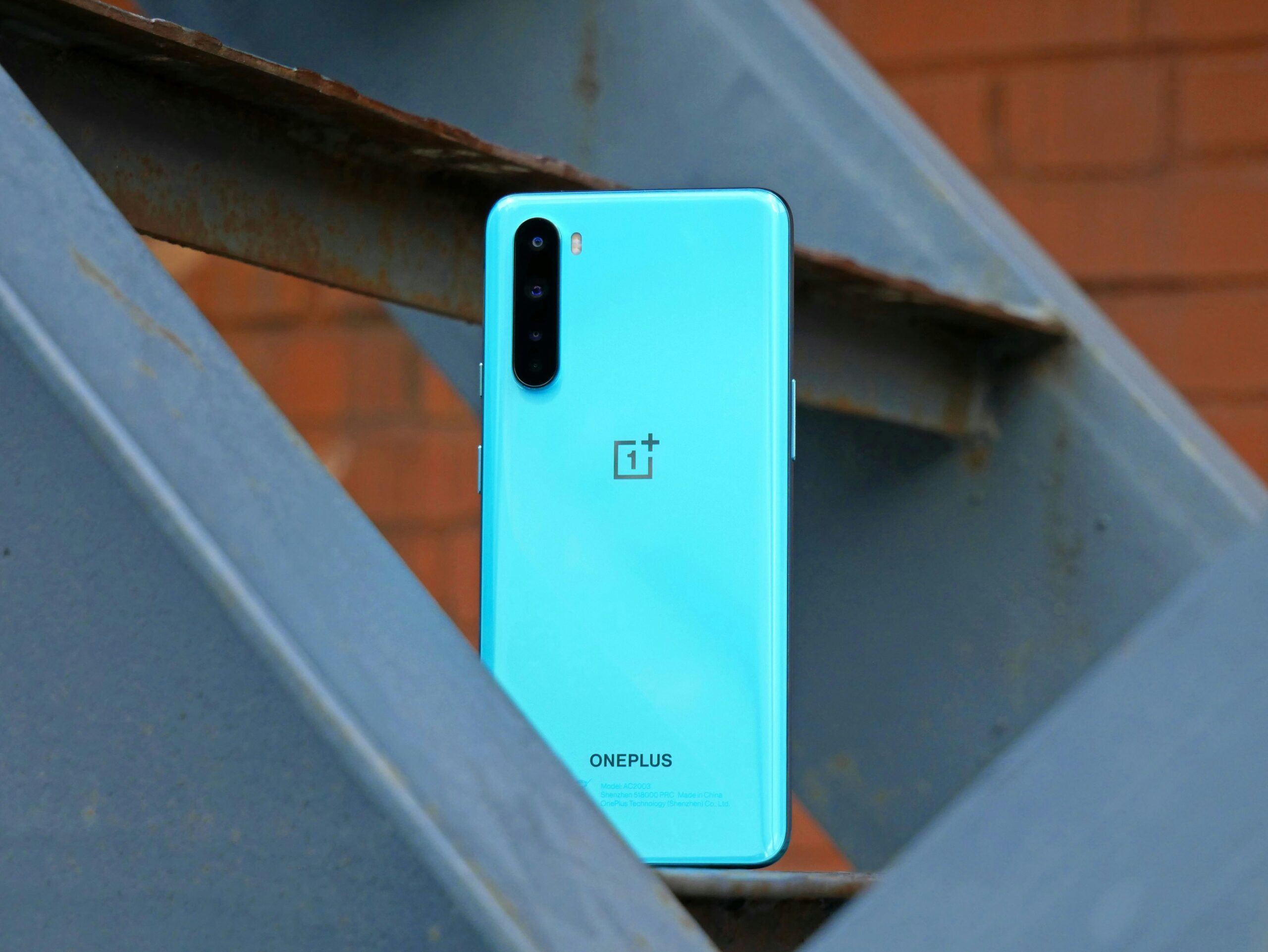
The Rumors and the Reality
A few weeks ago, rumors began circulating that OnePlus was shutting down. While the claims were exaggerated, they revealed something real: the emotional.
disconnect between the brand and its original audience. OnePlus isn’t disappearing. But the OnePlus people remember already has.
2014: The Phone That Changed the Game
In 2014, the smartphone market was dominated by expensive flagships from Apple and Samsung. Then, OnePlus entered with a simple promise: flagship performance at half the price.
The OnePlus One, priced at $300, delivered top-tier specs for its time, paired with CyanogenMod—a clean, fast, developer-friendly operating system with no bloatware. The sandstone back, minimal design, and invite-only model made it feel exclusive and rebellious. Despite the hurdles, OnePlus sold over a million units. More importantly, it earned trust.
Early Expansion and the First Cracks
The OnePlus 2 kept the same philosophy with modest upgrades and slight price increases. It was safe, but not revolutionary. The OnePlus X, however, marked the first real misstep. Focused on design rather than performance, it failed to resonate with enthusiasts—the very audience that built the brand.
To not overthrow the expectations of the tech enthusiasts, they kept the same design and features in their OnePlus 2. They still did some upgrades in specs and slightly increased the price of the 6GB Model (3GB RAM) at $329 and the 64GB Model (4GB RAM) at $389. They also launched a mid-range phone called OnePlus X. Not a Flagship smartphone and not that high in specs, either, at $250, but prioritized the design with a special ceramic limited edition. It was just not something that grabbed the attention of the enthusiasts, as they were not interested in something less than a flagship killer.
However, the company’s focus shifted back to making flagship smartphones with the OnePlus 3 and 3T. They were back on delivering high performance, high on specs, packed with interesting features.
Fans have said that the peak OnePlus phone was somewhere around the OnePlus 5 and 6. OnePlus was almost at the top of the smartphone market with the OnePlus 7 series. They improved the design with features such as thinner bezels, fingerprint readers, great battery life with fast charging, and they moved on to their own Oxygen OS from CyanogenMod, which was super-smooth and fast-optimized software, making their phones as responsive as possible. Basically, anyone who reviewed smartphones agreed on one thing: these phones were the best value for money they could get at that time in the entire smartphone industry.
Where It Lost Its Edge
OnePlus have won over the smartphone enthusiasts but they still were picky, demanding and disloyal group of people, which is like not an ideal target audience that a company would like as majority buyers, so the OnePlus tried to change the audience to the mass group of people who were less picky and played on the safer side and for that you have to make a smart transition by gaining the new audience faster than you lose the old ones. The company tried to do this with their OnePlus 8,9, and 10 models. So what went wrong?
OnePlus slowly tried adopting some of these mass market features, such as switching to an all-glass design, they added official ip rating for waterproofing, and slowly increasing the price, which made their price go from $465 in the OnePlus 7 to $900 in the OnePlus 10. They also released budget line phone which were cheaper but not that high in specs like their flagship phones, so they could keep selling the expensive range phones but also offered something that was less expensive. The OnePlus 10 Phone company has lost its edge completely that it had with its OnePlus. One up to the 7 models, and the reason was changing the audience from enthusiasts to the mass majority.
OnePlus is still here. It still sells phones. But it no longer leads the conversation. The story of OnePlus isn’t about collapse—it’s about transformation, and the cost of it. A brand built on disruption eventually chose stability, and in doing so, gave up what made it unforgettable.
 Utkarsh Sahariya