

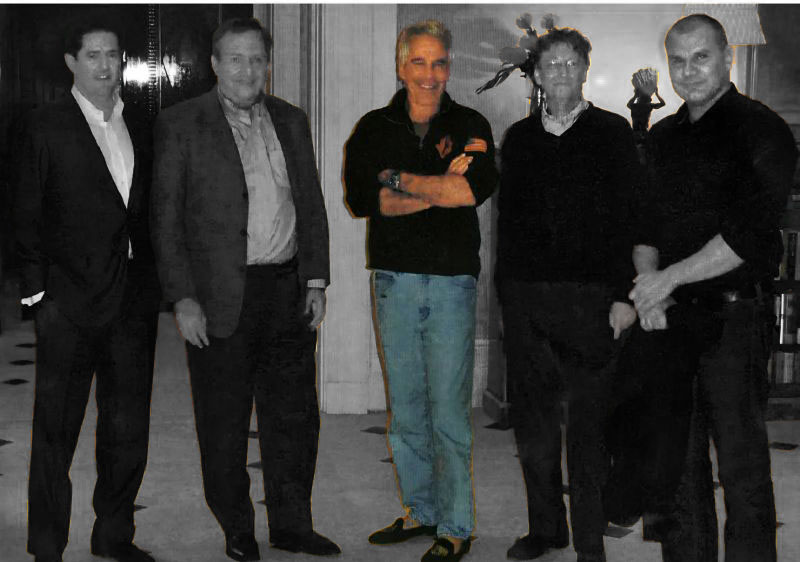
This isn’t just a scandal. It’s one of the darkest power stories of our time.
.jpg)
Jeffrey Epstein wasn’t born powerful. He was born in 1953 in Brooklyn, New York, with a working-class background. Smart kid. Good at math and physics. Dropped out of college — twice.
And somehow? He landed a job teaching at the elite Dalton School in the 1970s. From there, he leveraged wealthy connections and entered Wall Street, eventually working at Bear Stearns. By 1981, he had left the firm and started managing money for ultra-rich clients. That’s where things start getting interesting.
He built relationships with billionaires, most notably Leslie Wexner, the CEO of Victoria’s Secret, who gave Epstein power of attorney over his fortune. Overnight, Epstein went from mysterious finance guy to someone living like royalty. Private jets. Manhattan mansion. Palm Beach estate. A ranch in New Mexico. Two private islands in the U.S. Virgin Islands. We’re talking about properties worth over $500 million. But behind the wealth? Something darker.
In 2004, parents of a 14-year-old girl reported that Epstein had abused their daughter at his Palm Beach home. Police investigations revealed dozens of underage victims. The pattern was disturbingly consistent: young girls recruited under the pretense of “massages,” paid cash, and pulled into a larger web.
By 2006, there was enough evidence for serious federal charges. Yet what happened next shocked many. Instead of facing federal prosecution, Epstein struck a controversial plea deal in 2008. He pleaded guilty to limited state charges, served 13 months in a county jail with work release privileges, and avoided federal charges entirely. For someone accused of trafficking minors, the leniency raised massive questions.
For years, the case stayed relatively quiet nationally. Then 2019 happened. Epstein was arrested again on federal sex trafficking charges. Weeks later, he was found dead in his jail cell. Officially ruled a suicide. Instantly controversial. His associate, Ghislaine Maxwell, was later convicted in connection with trafficking crimes and sentenced to prison.
Since then, court documents have named over 150 individuals in various contexts — from flight logs to contact books. Public figures such as Bill Clinton, Donald Trump, Prince Andrew, Elon Musk, Bill Gates, Richard Branson, and others have appeared in documents or media reporting.
Important: appearing in documents does NOT equal guilt. Many were mentioned in passing, photographed at events, or listed in contact records. Most have not been accused of wrongdoing. But the bigger story isn’t just about names. It’s about power.
Epstein wasn’t just a criminal. He was a man who used wealth, influence, elite lawyers, and powerful friendships to shield himself for years. The real shock? How long does it take the system to catch up?
The Epstein case isn’t just about one man. It’s about what happens when money meets influence — and when victims have to fight a system designed to protect the powerful.
Was this a failure of justice… or proof of how justice really works at the top?